
Road Safety Essentials: Why Responsible Driving is an Everyday skill.
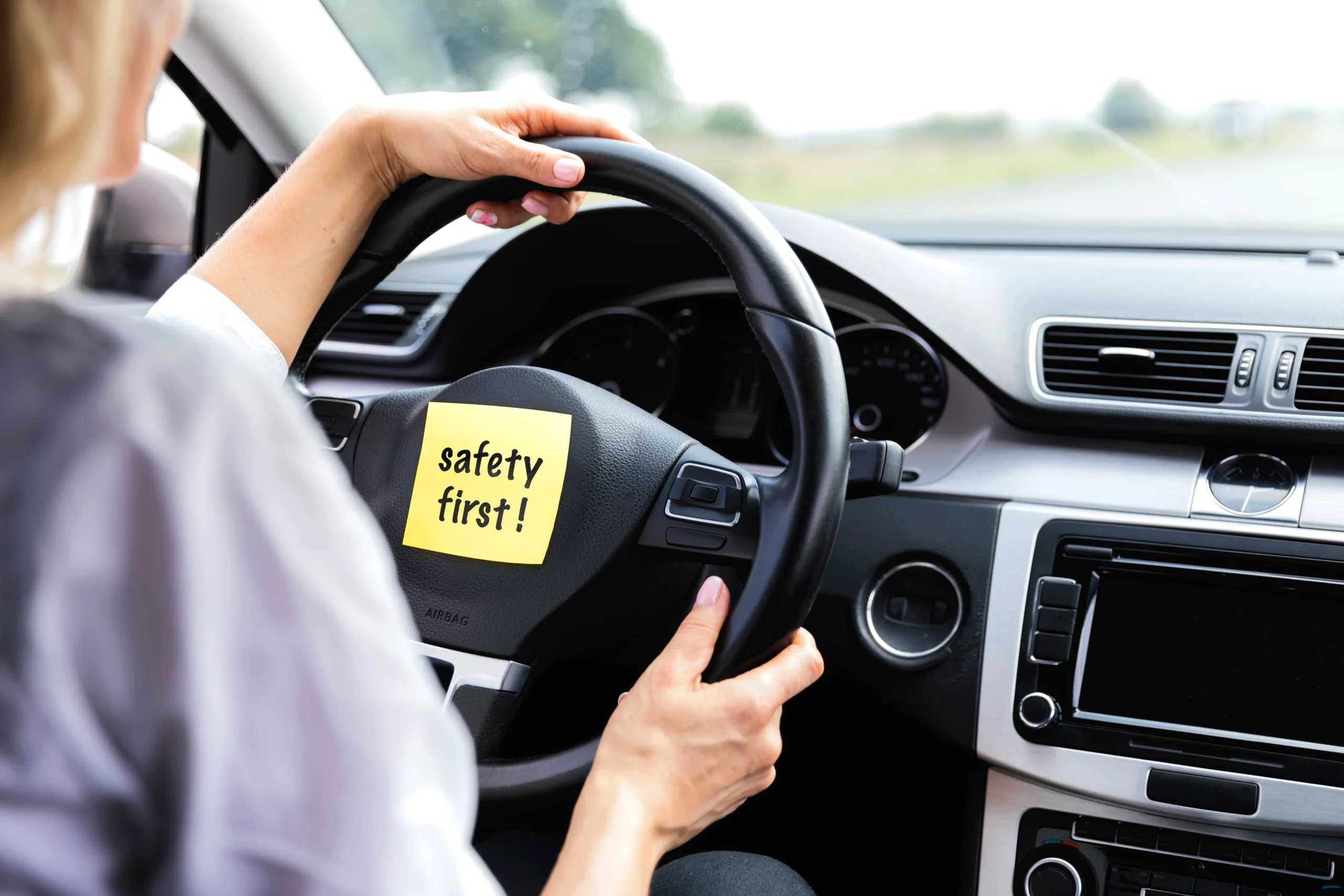
Road safety is not a subject that should be considered after an accident has taken place, but rather it is a matter of day to day lives that involves all the drivers, passengers and pedestrians. Most accidents on the road do not occur during extreme conditions but as a result of minor negligent behavior exercised on a regular basis like accelerating by a few miles per hour, focusing attention away a few seconds or disregard of distance. Fear is not the issue behind responsible driving. When individuals regard driving as something they can perfect, then safety is not a chance.
A key fact that needs to be remembered about road safety is that roads are common places where numerous people are moving at varying speeds, responses, and experience. A motorist might feel safe, but those around him/her might be inexperienced drivers, the aged, bicycle riders, or pedestrians.Such attitude lowers violent behavior and eases driving.
Accidents prevention is significantly contributed by speed management. Accidents occur at very high speeds but even small increments in speed cause reaction time to decline drastically as many people believe. Attentive driving is the ability to drive at a slow speed based on the density of traffic, weather conditions, and the quality of the road. It is not about the early arrival, but the safe arrival.
One of the greatest hazardous contemporary driving issues is distraction. Notifications on the phone, phone calls, loud music settings, or even profound conversation in the car can make one lose concentration. Even a two-second delay can lead to collision since the circumstances on the road change quickly. Being aware of the road implies maintaining focus on it and managing distractions prior to the drive. The best tool of safety is concentration.
The respect of the road and general courtesy through proper signaling helps to minimize confusion and avoid avoidable risk. Unpredictable shifting of lanes without signals compel other people to slow down or respond to urgent situations. Most accidents occur because of unpredictable movement of vehicles. Driving cooperatively is achieved through the use of indicators in an early manner, smooth change of lanes, and upholding lane discipline. Road safety also increases when the driving becomes predictable.
Another important safety practice is after distance. Most of the drivers maintain minimal distance as they feel that it saves time but this encourages collisions when vehicles come to a sudden halt. Safe distance is a distance where one can respond without braking in panic. Distances will lessen stress, and also will be more fuel efficiency. Consciousness brings about flow of driving.
Knowledge on road regulations safeguards the motorist and society. There are traffic lights, pedestrian crossing, speeding limits and one-way rules, which are safety coordination measures and not punishment. Individuals that flout regulations put a lot of people at risk. Road awareness refers to the considerations of order-keeping systems. Punishment creates roads that are safer.
Finally, the road safety is a life-long skill. It involves knowledge, tolerance and persistent responsible action. Strong roads rely on personal decisions taken on a daily basis. When motorists are safety conscious, accidents are minimized by default. Safe driving saves life, trust and stability of a community.